
Navigating the Next Frontier: The State of Data Centers in India
By St Fox / May 14, 2024
Unveiling the future
Our experts analyze the latest tech trends and industry breakthroughs.
Navigating the Next Frontier: The State of Data Centers in India
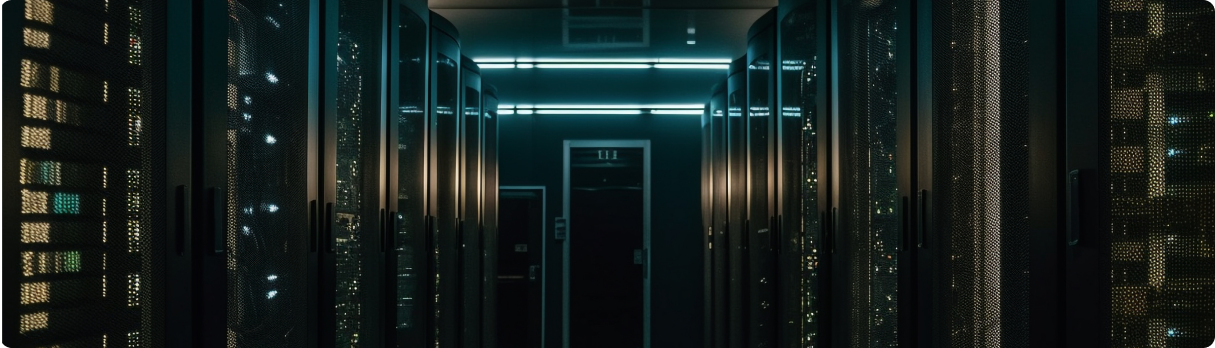
India's digital economy is on the brink of a revolution, with data centers playing a pivotal role in this transformation. As businesses increasingly rely on digital operations, the demand for robust data management and storage solutions has skyrocketed. This blog explores the current landscape of data centers in India, identifies the primary challenges they face, and discusses how organizations have adapted to these challenges.
1. The Current Landscape of Data Centers in India:
- Growth Factors: Conducting thorough risk assessments to identify potential vulnerabilities and threats. This includes assessing the security of IT infrastructure, networks, and critical systems.
- Major Players and Investments: Global and local players are expanding their presence. Companies like Amazon Web Services, Microsoft Azure, and Google Cloud are investing heavily, alongside Indian firms like Reliance and Tata Communications. Recent investments highlight the region's growing importance as a data hub.
2. Challenges Facing Data Centers in India:
- Power Supply Issues: Unreliable power supplies in many parts of the country pose significant challenges, leading to operational disruptions and increased costs due to the need for backup power solutions.
- Environmental Concerns: India's tropical climate poses cooling challenges, significantly impacting energy consumption. Data centers require efficient cooling systems to prevent overheating, necessitating significant energy usage that can be both costly and environmentally detrimental.
- Data Security and Compliance: With the implementation of laws concerning data privacy, such as the Personal Data Protection Bill, data centers are under increased pressure to ensure data security and compliance with local and international regulations.
- Infrastructure Challenges: While metro cities boast better connectivity and infrastructure, tier-2 and tier-3 cities still lag, complicating efforts to decentralize data center operations to these areas despite lower land costs.
3. Adaptive Strategies by Organizations:
- Innovative Cooling Solutions: Organizations are adopting advanced cooling technologies and exploring the use of renewable energy to manage high cooling costs and reduce environmental impact.
- Building Redundancy and Robust Backup Systems: To tackle power instability, data centers are investing in robust power backup systems and building redundancy into their operations to ensure uptime and reliability.
- Emphasizing Data Security: Enhanced investment in cybersecurity measures and adherence to global best practices and compliance standards are becoming commonplace as companies aim to safeguard against data breaches and cyber-attacks.
- Edge Computing: Companies are increasingly turning to edge computing to address latency issues and reduce the load on core data centers. This involves processing data near the source of data generation, which is particularly useful in remote and underserved areas.
Conclusion:
Data centers are crucial for India's digital growth story, but they face significant challenges. How these challenges are managed will determine the pace at which this sector can expand. Innovations in technology and strategy will be key in navigating the complex landscape of data center operations in India.
In this series, we will explore how nations prepare for the next big digital wave. How data centers will evolve and how emerging economies will be the epicentre of tech innovation.
Stay tuned to our blog for more insights on how technology is shaping the future of businesses in India and beyond. Subscribe to get the latest updates on technology trends directly to your inbox.